

Salinity to Conductivity: Understanding and Measuring Water Quality
author: duane
2024-06-04

Conversion of salinity to conductivity with accuracy and precision by advanced technology.
Salinity to Conductivity: Understanding and Measuring Water Quality
Salinity and conductivity are two critical parameters used to measure water quality. Salinity measures the amount of salt in water, while conductivity measures the ability of water to conduct electricity. Understanding and measuring these two parameters is essential for a variety of applications, including agriculture, aquaculture, and water treatment.
Converting salinity to conductivity is an essential process for accurately measuring water quality. The conversion process uses advanced technology, including sensors and digital interfaces, to ensure accurate and precise measurements.
One of the biggest advantages of converting salinity to conductivity is the accuracy of the measurements. The conversion process ensures that salinity levels are accurately measured, providing a more accurate measurement of water quality.
Converting salinity to conductivity is also highly reliable. The advanced technology used means that measurements are consistent and repeatable, which is especially important in critical applications, such as water treatment or food production.
Another advantage of converting salinity to conductivity is the ease of use. The conversion process is straightforward, and digital interfaces make it easy to view and understand the measurement results.
Accuracy and precision are critical when it comes to measuring water quality. Converting salinity to conductivity ensures that both parameters are measured accurately, providing a more complete picture of water quality.
In conclusion, converting salinity to conductivity is essential for accurately measuring water quality. With its advanced technology, accuracy, and ease of use, the conversion process is critical for a wide range of applications, including agriculture, aquaculture, and water treatment. Whether you're a professional or amateur, converting salinity to conductivity is an essential tool for maintaining water quality and ensuring that it meets safe and acceptable standards.
Salinity and conductivity are two critical parameters used to measure water quality. Salinity measures the amount of salt in water, while conductivity measures the ability of water to conduct electricity. Understanding and measuring these two parameters is essential for a variety of applications, including agriculture, aquaculture, and water treatment.
Converting salinity to conductivity is an essential process for accurately measuring water quality. The conversion process uses advanced technology, including sensors and digital interfaces, to ensure accurate and precise measurements.
One of the biggest advantages of converting salinity to conductivity is the accuracy of the measurements. The conversion process ensures that salinity levels are accurately measured, providing a more accurate measurement of water quality.
Converting salinity to conductivity is also highly reliable. The advanced technology used means that measurements are consistent and repeatable, which is especially important in critical applications, such as water treatment or food production.
Another advantage of converting salinity to conductivity is the ease of use. The conversion process is straightforward, and digital interfaces make it easy to view and understand the measurement results.
Accuracy and precision are critical when it comes to measuring water quality. Converting salinity to conductivity ensures that both parameters are measured accurately, providing a more complete picture of water quality.
In conclusion, converting salinity to conductivity is essential for accurately measuring water quality. With its advanced technology, accuracy, and ease of use, the conversion process is critical for a wide range of applications, including agriculture, aquaculture, and water treatment. Whether you're a professional or amateur, converting salinity to conductivity is an essential tool for maintaining water quality and ensuring that it meets safe and acceptable standards.
Salt Meter for Swimming Pool: The Essential Tool for Proper Water Balance
Salt Tester for Water: The Essential Tool for Maintaining Water Quality
Related Article
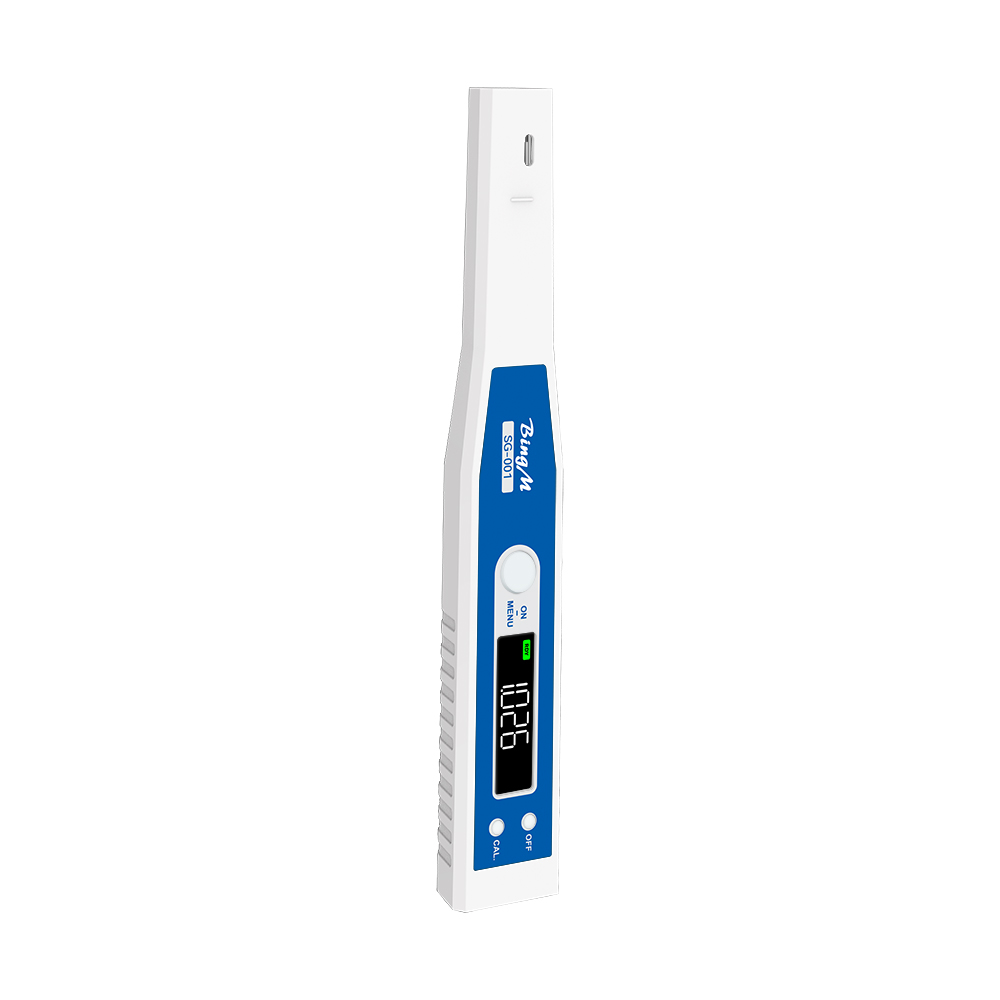
A salt meter for swimming pool is a device that measures the salt levels in the water, allowing pool owners to ensure that their water is correctly balanced. Proper water balance is critical for maintaining clear and clean water in a swimming pool.
Salt Meter for Swimming Pool: The Essential Tool for Proper Water Balance

Salt levels in water are an essential parameter when it comes to measuring water quality. Salt testers help in measuring the concentration of salt in water.
Salt Tester for Water: The Essential Tool for Maintaining Water Quality
Salinity and TDS (total dissolved solids) are two critical parameters used to measure water quality. Salinity measures the amount of salt in water, while TDS measures the total amount of inorganic and organic substances dissolved in water.
Salinity and TDS: Understanding and Measuring Water Quality
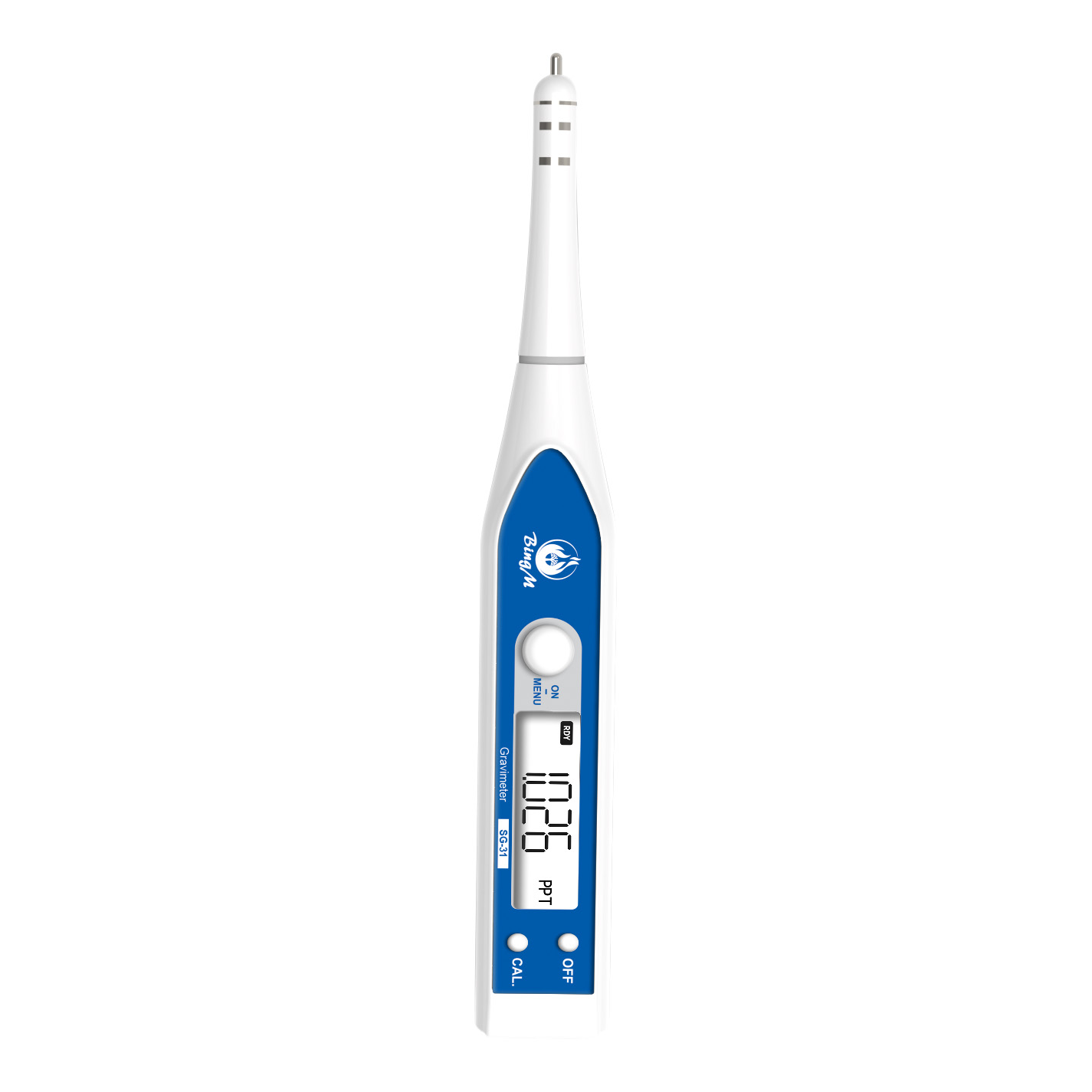
Saltwater aquarium owners know how critical it is to maintain the correct salt concentration in their aquariums. An accurate and reliable hydrometer is an essential tool for measuring the salt concentration in saltwater aquariums.
Hydrometer Salt Water: An Ideal Tool for Measuring Salt Concentration in Saltwater Aquariums